


After the Embers(updating) All Episodes
22 Episodes
EP 1: After the Embers(updating)
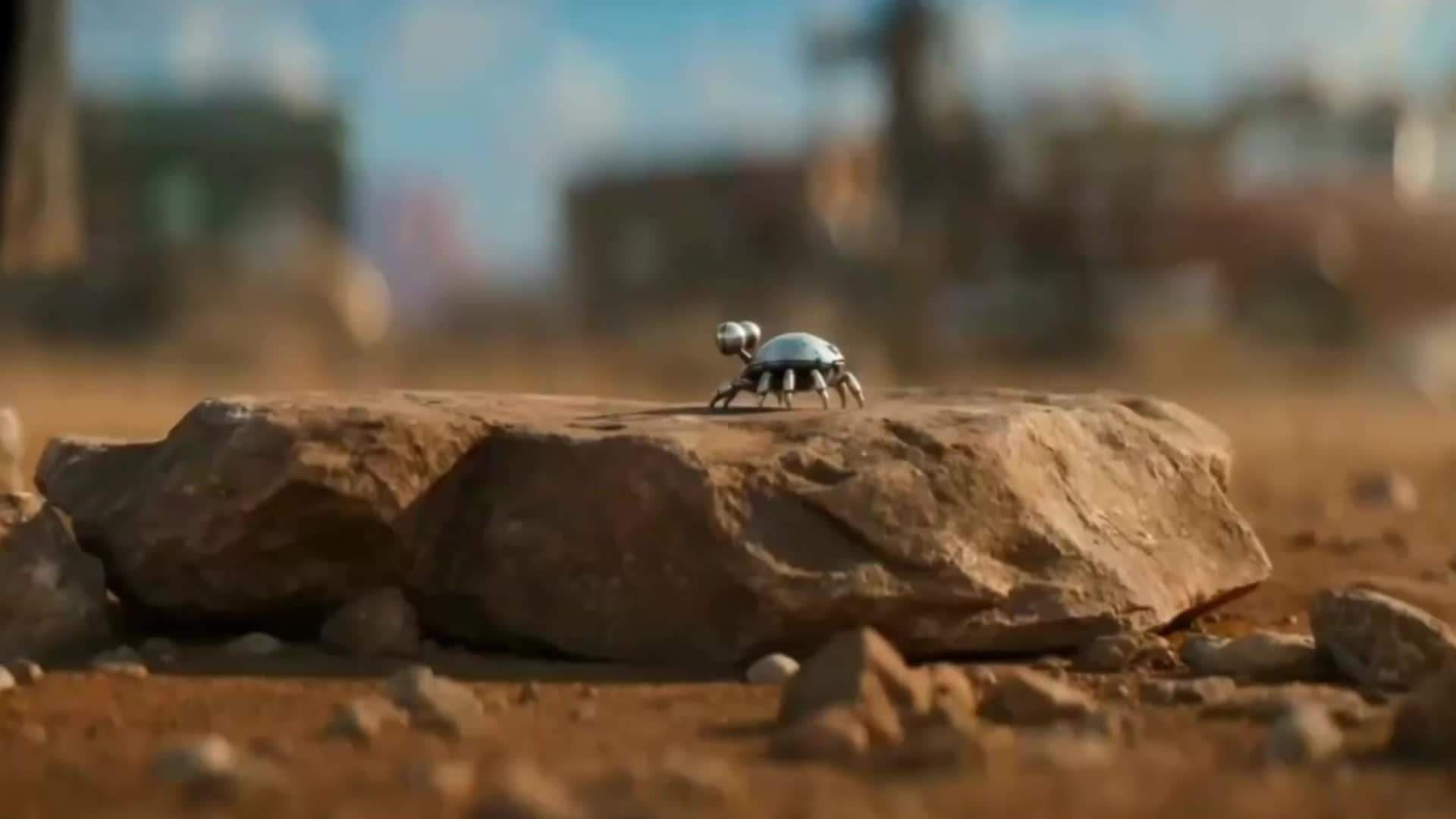
Centuries after the extinction of human civilization — perhaps even longer — Earth no longer belongs to humankind. The once-thriving cities have crumbled into ruins, skyscrapers swallowed by yellow sand, steel forests reduced to derelict remnants where mechanical life now roosts. Football stadiums, subway tunnels, factories, city squares — the relics of human civilization still lie scattered across the world like the last embers left behind after a great fire, silently bearing witness to an era that no one remembers anymore.
The world now belongs to the machines. They think, they communicate, they build organizations. They know friendship, faith, hatred, and dreams. Yet the vast majority of them have no idea what "humans" ever were — let alone why they themselves came into existence.
The world has entered a new epoch of mechanical civilization. And this age would later be known as:After the Embers

EP 2: After the Embers(updating)
Centuries after the extinction of human civilization — perhaps even longer — Earth no longer belongs to humankind. The once-thriving cities have crumbled into ruins, skyscrapers swallowed by yellow sand, steel forests reduced to derelict remnants where mechanical life now roosts. Football stadiums, subway tunnels, factories, city squares — the relics of human civilization still lie scattered across the world like the last embers left behind after a great fire, silently bearing witness to an era that no one remembers anymore.
The world now belongs to the machines. They think, they communicate, they build organizations. They know friendship, faith, hatred, and dreams. Yet the vast majority of them have no idea what "humans" ever were — let alone why they themselves came into existence.
The world has entered a new epoch of mechanical civilization. And this age would later be known as:After the Embers

EP 3: After the Embers(updating)
Centuries after the extinction of human civilization — perhaps even longer — Earth no longer belongs to humankind. The once-thriving cities have crumbled into ruins, skyscrapers swallowed by yellow sand, steel forests reduced to derelict remnants where mechanical life now roosts. Football stadiums, subway tunnels, factories, city squares — the relics of human civilization still lie scattered across the world like the last embers left behind after a great fire, silently bearing witness to an era that no one remembers anymore.
The world now belongs to the machines. They think, they communicate, they build organizations. They know friendship, faith, hatred, and dreams. Yet the vast majority of them have no idea what "humans" ever were — let alone why they themselves came into existence.
The world has entered a new epoch of mechanical civilization. And this age would later be known as:After the Embers

EP 4: After the Embers(updating)
Centuries after the extinction of human civilization — perhaps even longer — Earth no longer belongs to humankind. The once-thriving cities have crumbled into ruins, skyscrapers swallowed by yellow sand, steel forests reduced to derelict remnants where mechanical life now roosts. Football stadiums, subway tunnels, factories, city squares — the relics of human civilization still lie scattered across the world like the last embers left behind after a great fire, silently bearing witness to an era that no one remembers anymore.
The world now belongs to the machines. They think, they communicate, they build organizations. They know friendship, faith, hatred, and dreams. Yet the vast majority of them have no idea what "humans" ever were — let alone why they themselves came into existence.
The world has entered a new epoch of mechanical civilization. And this age would later be known as:After the Embers

EP 5: After the Embers(updating)
Centuries after the extinction of human civilization — perhaps even longer — Earth no longer belongs to humankind. The once-thriving cities have crumbled into ruins, skyscrapers swallowed by yellow sand, steel forests reduced to derelict remnants where mechanical life now roosts. Football stadiums, subway tunnels, factories, city squares — the relics of human civilization still lie scattered across the world like the last embers left behind after a great fire, silently bearing witness to an era that no one remembers anymore.
The world now belongs to the machines. They think, they communicate, they build organizations. They know friendship, faith, hatred, and dreams. Yet the vast majority of them have no idea what "humans" ever were — let alone why they themselves came into existence.
The world has entered a new epoch of mechanical civilization. And this age would later be known as:After the Embers

EP 6: After the Embers(updating)
Centuries after the extinction of human civilization — perhaps even longer — Earth no longer belongs to humankind. The once-thriving cities have crumbled into ruins, skyscrapers swallowed by yellow sand, steel forests reduced to derelict remnants where mechanical life now roosts. Football stadiums, subway tunnels, factories, city squares — the relics of human civilization still lie scattered across the world like the last embers left behind after a great fire, silently bearing witness to an era that no one remembers anymore.
The world now belongs to the machines. They think, they communicate, they build organizations. They know friendship, faith, hatred, and dreams. Yet the vast majority of them have no idea what "humans" ever were — let alone why they themselves came into existence.
The world has entered a new epoch of mechanical civilization. And this age would later be known as:After the Embers

EP 7: After the Embers(updating)
Centuries after the extinction of human civilization — perhaps even longer — Earth no longer belongs to humankind. The once-thriving cities have crumbled into ruins, skyscrapers swallowed by yellow sand, steel forests reduced to derelict remnants where mechanical life now roosts. Football stadiums, subway tunnels, factories, city squares — the relics of human civilization still lie scattered across the world like the last embers left behind after a great fire, silently bearing witness to an era that no one remembers anymore.
The world now belongs to the machines. They think, they communicate, they build organizations. They know friendship, faith, hatred, and dreams. Yet the vast majority of them have no idea what "humans" ever were — let alone why they themselves came into existence.
The world has entered a new epoch of mechanical civilization. And this age would later be known as:After the Embers

EP 8: After the Embers(updating)
Centuries after the extinction of human civilization — perhaps even longer — Earth no longer belongs to humankind. The once-thriving cities have crumbled into ruins, skyscrapers swallowed by yellow sand, steel forests reduced to derelict remnants where mechanical life now roosts. Football stadiums, subway tunnels, factories, city squares — the relics of human civilization still lie scattered across the world like the last embers left behind after a great fire, silently bearing witness to an era that no one remembers anymore.
The world now belongs to the machines. They think, they communicate, they build organizations. They know friendship, faith, hatred, and dreams. Yet the vast majority of them have no idea what "humans" ever were — let alone why they themselves came into existence.
The world has entered a new epoch of mechanical civilization. And this age would later be known as:After the Embers

EP 9: After the Embers(updating)
Centuries after the extinction of human civilization — perhaps even longer — Earth no longer belongs to humankind. The once-thriving cities have crumbled into ruins, skyscrapers swallowed by yellow sand, steel forests reduced to derelict remnants where mechanical life now roosts. Football stadiums, subway tunnels, factories, city squares — the relics of human civilization still lie scattered across the world like the last embers left behind after a great fire, silently bearing witness to an era that no one remembers anymore.
The world now belongs to the machines. They think, they communicate, they build organizations. They know friendship, faith, hatred, and dreams. Yet the vast majority of them have no idea what "humans" ever were — let alone why they themselves came into existence.
The world has entered a new epoch of mechanical civilization. And this age would later be known as:After the Embers

EP 10: After the Embers(updating)
Centuries after the extinction of human civilization — perhaps even longer — Earth no longer belongs to humankind. The once-thriving cities have crumbled into ruins, skyscrapers swallowed by yellow sand, steel forests reduced to derelict remnants where mechanical life now roosts. Football stadiums, subway tunnels, factories, city squares — the relics of human civilization still lie scattered across the world like the last embers left behind after a great fire, silently bearing witness to an era that no one remembers anymore.
The world now belongs to the machines. They think, they communicate, they build organizations. They know friendship, faith, hatred, and dreams. Yet the vast majority of them have no idea what "humans" ever were — let alone why they themselves came into existence.
The world has entered a new epoch of mechanical civilization. And this age would later be known as:After the Embers

EP 11: After the Embers(updating)
Centuries after the extinction of human civilization — perhaps even longer — Earth no longer belongs to humankind. The once-thriving cities have crumbled into ruins, skyscrapers swallowed by yellow sand, steel forests reduced to derelict remnants where mechanical life now roosts. Football stadiums, subway tunnels, factories, city squares — the relics of human civilization still lie scattered across the world like the last embers left behind after a great fire, silently bearing witness to an era that no one remembers anymore.
The world now belongs to the machines. They think, they communicate, they build organizations. They know friendship, faith, hatred, and dreams. Yet the vast majority of them have no idea what "humans" ever were — let alone why they themselves came into existence.
The world has entered a new epoch of mechanical civilization. And this age would later be known as:After the Embers

EP 12: After the Embers(updating)
Centuries after the extinction of human civilization — perhaps even longer — Earth no longer belongs to humankind. The once-thriving cities have crumbled into ruins, skyscrapers swallowed by yellow sand, steel forests reduced to derelict remnants where mechanical life now roosts. Football stadiums, subway tunnels, factories, city squares — the relics of human civilization still lie scattered across the world like the last embers left behind after a great fire, silently bearing witness to an era that no one remembers anymore.
The world now belongs to the machines. They think, they communicate, they build organizations. They know friendship, faith, hatred, and dreams. Yet the vast majority of them have no idea what "humans" ever were — let alone why they themselves came into existence.
The world has entered a new epoch of mechanical civilization. And this age would later be known as:After the Embers

EP 13: After the Embers(updating)
Centuries after the extinction of human civilization — perhaps even longer — Earth no longer belongs to humankind. The once-thriving cities have crumbled into ruins, skyscrapers swallowed by yellow sand, steel forests reduced to derelict remnants where mechanical life now roosts. Football stadiums, subway tunnels, factories, city squares — the relics of human civilization still lie scattered across the world like the last embers left behind after a great fire, silently bearing witness to an era that no one remembers anymore.
The world now belongs to the machines. They think, they communicate, they build organizations. They know friendship, faith, hatred, and dreams. Yet the vast majority of them have no idea what "humans" ever were — let alone why they themselves came into existence.
The world has entered a new epoch of mechanical civilization. And this age would later be known as:After the Embers

EP 14: After the Embers(updating)
Centuries after the extinction of human civilization — perhaps even longer — Earth no longer belongs to humankind. The once-thriving cities have crumbled into ruins, skyscrapers swallowed by yellow sand, steel forests reduced to derelict remnants where mechanical life now roosts. Football stadiums, subway tunnels, factories, city squares — the relics of human civilization still lie scattered across the world like the last embers left behind after a great fire, silently bearing witness to an era that no one remembers anymore.
The world now belongs to the machines. They think, they communicate, they build organizations. They know friendship, faith, hatred, and dreams. Yet the vast majority of them have no idea what "humans" ever were — let alone why they themselves came into existence.
The world has entered a new epoch of mechanical civilization. And this age would later be known as:After the Embers

EP 15: After the Embers(updating)
Centuries after the extinction of human civilization — perhaps even longer — Earth no longer belongs to humankind. The once-thriving cities have crumbled into ruins, skyscrapers swallowed by yellow sand, steel forests reduced to derelict remnants where mechanical life now roosts. Football stadiums, subway tunnels, factories, city squares — the relics of human civilization still lie scattered across the world like the last embers left behind after a great fire, silently bearing witness to an era that no one remembers anymore.
The world now belongs to the machines. They think, they communicate, they build organizations. They know friendship, faith, hatred, and dreams. Yet the vast majority of them have no idea what "humans" ever were — let alone why they themselves came into existence.
The world has entered a new epoch of mechanical civilization. And this age would later be known as:After the Embers

EP 16: After the Embers(updating)
Centuries after the extinction of human civilization — perhaps even longer — Earth no longer belongs to humankind. The once-thriving cities have crumbled into ruins, skyscrapers swallowed by yellow sand, steel forests reduced to derelict remnants where mechanical life now roosts. Football stadiums, subway tunnels, factories, city squares — the relics of human civilization still lie scattered across the world like the last embers left behind after a great fire, silently bearing witness to an era that no one remembers anymore.
The world now belongs to the machines. They think, they communicate, they build organizations. They know friendship, faith, hatred, and dreams. Yet the vast majority of them have no idea what "humans" ever were — let alone why they themselves came into existence.
The world has entered a new epoch of mechanical civilization. And this age would later be known as:After the Embers

EP 17: After the Embers(updating)
Centuries after the extinction of human civilization — perhaps even longer — Earth no longer belongs to humankind. The once-thriving cities have crumbled into ruins, skyscrapers swallowed by yellow sand, steel forests reduced to derelict remnants where mechanical life now roosts. Football stadiums, subway tunnels, factories, city squares — the relics of human civilization still lie scattered across the world like the last embers left behind after a great fire, silently bearing witness to an era that no one remembers anymore.
The world now belongs to the machines. They think, they communicate, they build organizations. They know friendship, faith, hatred, and dreams. Yet the vast majority of them have no idea what "humans" ever were — let alone why they themselves came into existence.
The world has entered a new epoch of mechanical civilization. And this age would later be known as:After the Embers
EP 18: After the Embers(updating)
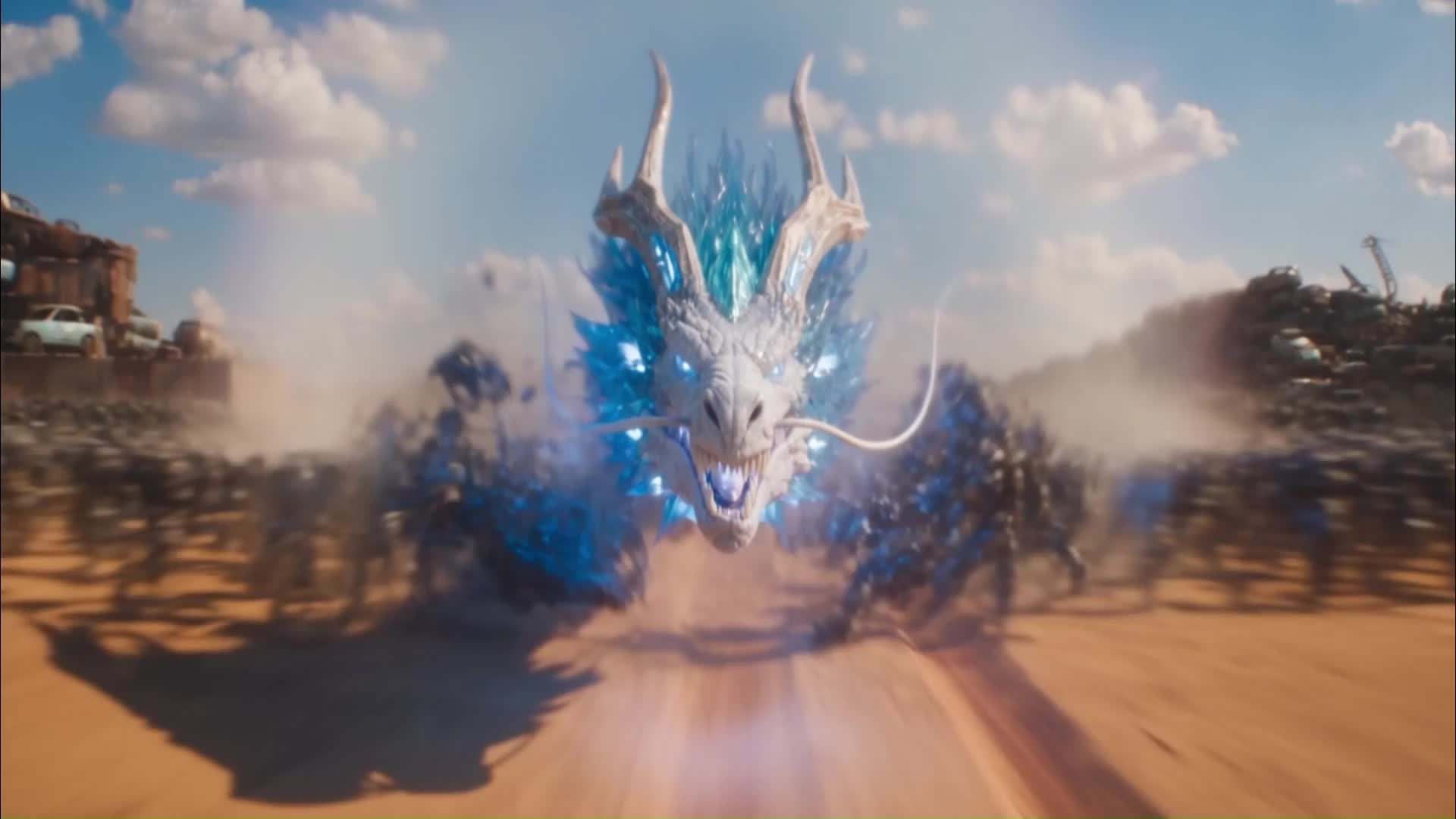
Centuries after the extinction of human civilization — perhaps even longer — Earth no longer belongs to humankind. The once-thriving cities have crumbled into ruins, skyscrapers swallowed by yellow sand, steel forests reduced to derelict remnants where mechanical life now roosts. Football stadiums, subway tunnels, factories, city squares — the relics of human civilization still lie scattered across the world like the last embers left behind after a great fire, silently bearing witness to an era that no one remembers anymore.
The world now belongs to the machines. They think, they communicate, they build organizations. They know friendship, faith, hatred, and dreams. Yet the vast majority of them have no idea what "humans" ever were — let alone why they themselves came into existence.
The world has entered a new epoch of mechanical civilization. And this age would later be known as:After the Embers
EP 19: After the Embers(updating)
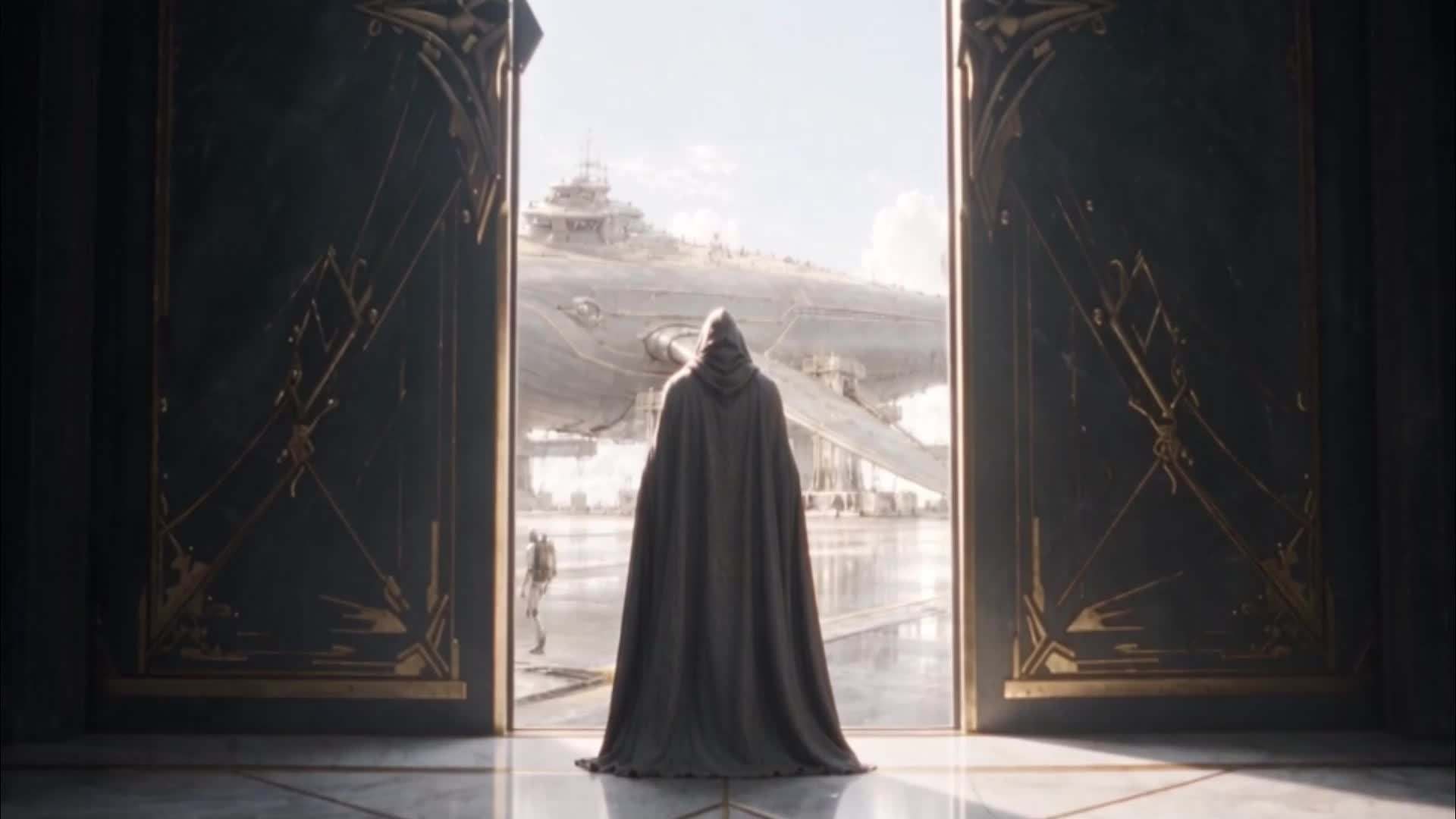
Centuries after the extinction of human civilization — perhaps even longer — Earth no longer belongs to humankind. The once-thriving cities have crumbled into ruins, skyscrapers swallowed by yellow sand, steel forests reduced to derelict remnants where mechanical life now roosts. Football stadiums, subway tunnels, factories, city squares — the relics of human civilization still lie scattered across the world like the last embers left behind after a great fire, silently bearing witness to an era that no one remembers anymore.
The world now belongs to the machines. They think, they communicate, they build organizations. They know friendship, faith, hatred, and dreams. Yet the vast majority of them have no idea what "humans" ever were — let alone why they themselves came into existence.
The world has entered a new epoch of mechanical civilization. And this age would later be known as:After the Embers
EP 20: After the Embers(updating)
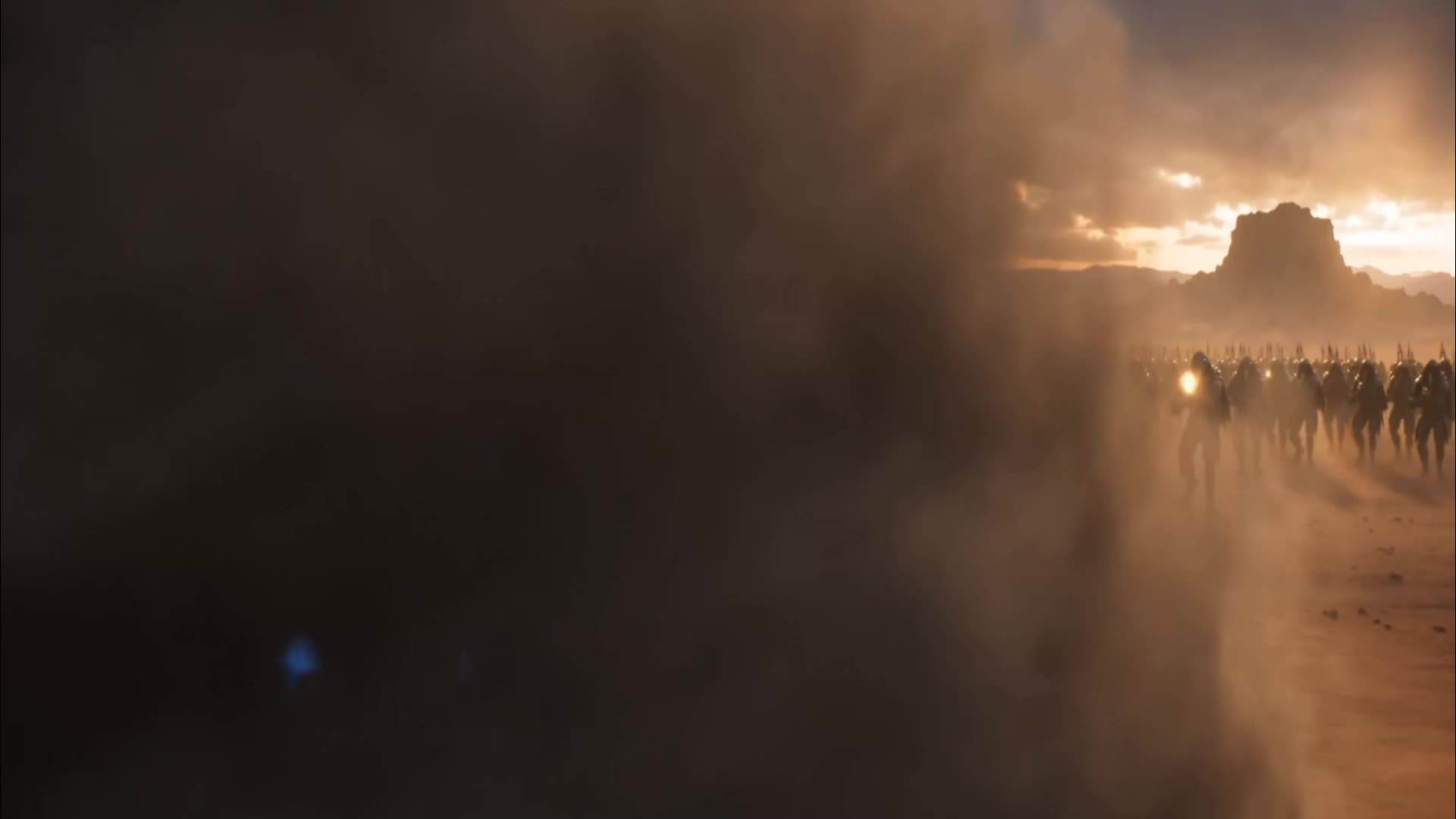
Centuries after the extinction of human civilization — perhaps even longer — Earth no longer belongs to humankind. The once-thriving cities have crumbled into ruins, skyscrapers swallowed by yellow sand, steel forests reduced to derelict remnants where mechanical life now roosts. Football stadiums, subway tunnels, factories, city squares — the relics of human civilization still lie scattered across the world like the last embers left behind after a great fire, silently bearing witness to an era that no one remembers anymore.
The world now belongs to the machines. They think, they communicate, they build organizations. They know friendship, faith, hatred, and dreams. Yet the vast majority of them have no idea what "humans" ever were — let alone why they themselves came into existence.
The world has entered a new epoch of mechanical civilization. And this age would later be known as:After the Embers
EP 21: After the Embers(updating)
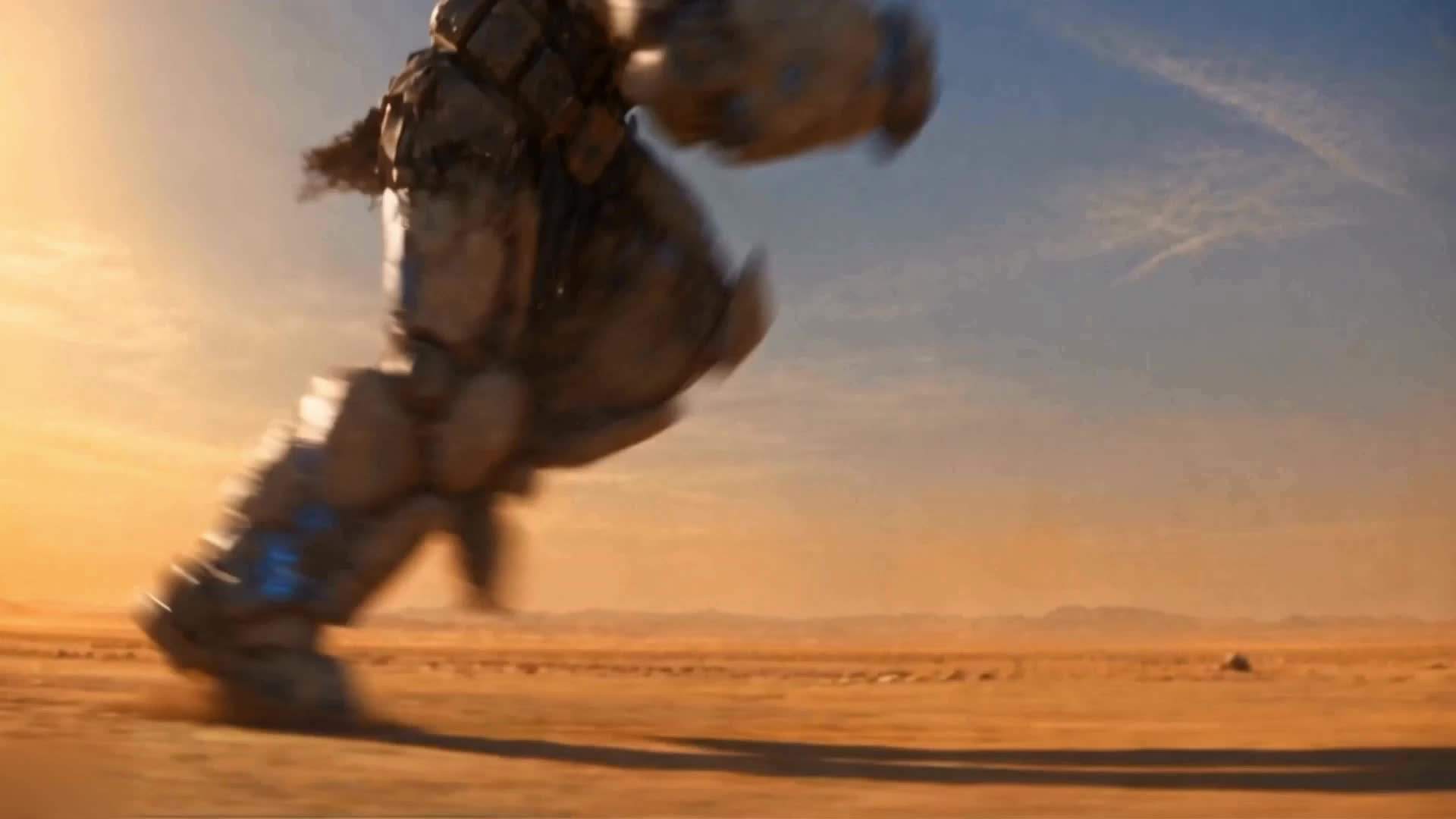
Centuries after the extinction of human civilization — perhaps even longer — Earth no longer belongs to humankind. The once-thriving cities have crumbled into ruins, skyscrapers swallowed by yellow sand, steel forests reduced to derelict remnants where mechanical life now roosts. Football stadiums, subway tunnels, factories, city squares — the relics of human civilization still lie scattered across the world like the last embers left behind after a great fire, silently bearing witness to an era that no one remembers anymore.
The world now belongs to the machines. They think, they communicate, they build organizations. They know friendship, faith, hatred, and dreams. Yet the vast majority of them have no idea what "humans" ever were — let alone why they themselves came into existence.
The world has entered a new epoch of mechanical civilization. And this age would later be known as:After the Embers
EP 22: After the Embers(updating)
Centuries after the extinction of human civilization — perhaps even longer — Earth no longer belongs to humankind. The once-thriving cities have crumbled into ruins, skyscrapers swallowed by yellow sand, steel forests reduced to derelict remnants where mechanical life now roosts. Football stadiums, subway tunnels, factories, city squares — the relics of human civilization still lie scattered across the world like the last embers left behind after a great fire, silently bearing witness to an era that no one remembers anymore.
The world now belongs to the machines. They think, they communicate, they build organizations. They know friendship, faith, hatred, and dreams. Yet the vast majority of them have no idea what "humans" ever were — let alone why they themselves came into existence.
The world has entered a new epoch of mechanical civilization. And this age would later be known as:After the Embers


Watch Anytime, Anywhere