
One of the big debates in the Demon Slayer fandom always circles back to the same question: who’s actually the weakest Hashira? On the surface, it seems easy—just rank them by raw power and call it a day. But that doesn’t really work.
Each Hashira fights in a different way, with unique strengths, scars, and sacrifices that don’t always show up in a clean power chart.
Take Shinobu Kocho, for example. Fans love to call her the “weakest” because she lacks the brute strength of someone like Gyomei. But that label ignores how much she compensates with intelligence, poison techniques, and pure guts. I’d argue that “weakest” might not even be the right word—she plays a role nobody else could fill.
The community splits on this. Some stick to stats and combat feats, others point to emotional weight and story impact. Personally, I lean toward the second view. To me, Shinobu isn’t weak at all. She’s just measured by a different scale, one that values cleverness and sacrifice over raw force.
So maybe the real question isn’t who’s the weakest Hashira? but rather why do we care so much about ranking them in the first place?
Also Watch As: Black Myth: My Master is Wukong
- Part 1: The Plot of Demon Slayer and the Role of Hashira; Who Is the Weakest Hashira in Demon Slayer?
- Part 2: Demon Slayer’s Weakest Hashira – Shinobu Kocho or Someone Else? Who Is the Weakest Hashira in Demon Slayer?
- Part 3: My Overall Thoughts on the Weakest Hashira Debate; Who Is the Weakest Hashira in Demon Slayer?
- Part 4: Who Is the Weakest Hashira in Demon Slayer? The Hashira Power Rankings Debate
- Part 5: After Demon Slayer – What to Watch Next
Part 1: The Plot of Demon Slayer and the Role of Hashira; Who Is the Weakest Hashira in Demon Slayer?
When I first got into Demon Slayer, I wasn’t hooked by the sword flashes or wild battle scenes right away. What grabbed me was the Hashira. They carried this air of mystery, almost like legends whispered inside the Corps.
To me, they weren’t just warriors swinging blades; they felt like the last, unshakable wall between Muzan’s demons and whatever scraps of hope humans had left.
That’s why before we even try to crown one of them as the so-called “weakest,” I think it’s worth slowing down to understand what the Hashira actually represent.
Tanjiro’s story sets the stage. He’s just a kid who loses almost everything in a single night. His sister, Nezuko, turns into a demon, but instead of becoming a monster like the rest, she clings to some piece of her humanity. That twist makes his journey different.
He isn’t just slaying demons out of revenge, he’s fighting for a cure, for his sister, and ultimately for a shot at taking down Muzan, the source of all demons.
And the Hashira? They don’t just tag along as background characters. They shape Tanjiro’s path. Sometimes they stand against him, testing whether he’s strong or stubborn enough to belong in their world.
Other times, they carry the fight themselves, burning out their lives on the battlefield so humanity gets even one more chance. That’s why calling one of them “weak” feels almost unfair; the word doesn’t capture the weight of what they do.
Every Hashira fights with a “Breathing Style,” something they’ve shaped and sharpened through years of brutal training. These techniques amplify their natural talents, which is why no two Hashira feel alike. Gyomei Himejima, for example, towers above the rest in sheer power.
He’s not just the Stone Hashira by title, he’s feared as the strongest, both in muscle and in his control over Stone Breathing. Others shine in their own ways. For instance, Rengoku’s blazing passion with Flame Breathing, Tengen’s flashy unpredictability with Sound, and Muichiro’s eerie calm paired with Mist.
But the catch is that even in a group that’s this elite, balance doesn’t mean equality. Not everyone carries the same kind of strength. Shinobu Kocho, for instance, can’t match the raw physical power of her peers. Instead, she leans on precision, intelligence, and poison to even the odds.
Mitsuri Kanroji changes that dynamic. Her strength is absurd, but her endurance sometimes falters in comparison.
From the outside, it’s easy to reduce this to a tier list. Who’s on top, who’s at the bottom, who’s “the weakest.” Yet in the story, the Hashira aren’t treated like numbers on a chart. They’re specialists. Each one fills a gap the others can’t.
And maybe that’s why the debate over “weakest Hashira” gets so heated; it’s not really about stats. It’s about how we define strength in the first place.
Part 2: Demon Slayer’s Weakest Hashira – Shinobu Kocho or Someone Else? Who Is the Weakest Hashira in Demon Slayer?

Ask around in the Demon Slayer community and you’ll hear the same name over and over: Shinobu Kocho. Most people call her the weakest Hashira, and the logic seems simple; she can’t cut off a demon’s head. That single fact makes her look outclassed by every other Hashira, at least if you only measure raw strength.
But if you stop there, you miss the bigger picture. Shinobu doesn’t fight like the others. She leans on her speed, her sharp mind, and most of all, her poisons. Her sword isn’t built for brute force; it’s a needle designed to inject toxins straight into demons.
Against weaker ones, the fight’s over almost instantly. Against stronger demons, she adapts by pushing her poisons further, making them lethal enough to overcome the gap in physical power. I like that she didn’t rely on raw force.
Take her battle with Doma, the Upper Rank Two demon. On the surface, it looks like she loses badly. Doma mocks her, crushes her physically, and the fight ends with her death. That’s the version a lot of fans cling to when they argue she’s weak. But guess what: Shinobu planned it.
So, is she the weakest? If you’re only talking about brute strength, sure, she falls short. But if you count intelligence, strategy, and the willingness to give everything for the fight, Shinobu’s far from weak.
Some fans point fingers at Tengen Uzui, since he retires after the Entertainment District arc and even admits others have surpassed him.
Personally, I don’t buy the “weakest Hashira” label at all. To me, Shinobu proves that strength isn’t only about who can swing the hardest. Sometimes it’s about who can think the sharpest, and who’s willing to pay the highest price. Without her plan, Doma might never have fallen.
Part 3: My Overall Thoughts on the Weakest Hashira Debate; Who Is the Weakest Hashira in Demon Slayer?
Whenever I hear someone brush off Shinobu as the weakest Hashira, I can’t help but think they’re missing the real point. In Demon Slayer, weakness isn’t just about who can swing harder or cut through the toughest neck. It’s about limits — and what you do when you hit them.
Shinobu probably knew her own limits better than anyone else in the Corps. She understood she’d never overpower an Upper Moon in a straight fight. She didn’t waste time pretending otherwise. Instead, she took a different path.
She knew medicine, mastered poisons, and even went as far as turning her own body into a final weapon. To me, that choice makes her stronger in spirit than a lot of her comrades.
Look at Rengoku’s death for comparison. He stood against Akaza with nothing but pure willpower, refusing to back down even though fatally wounded. Fans call him noble, and they’re right. But Shinobu’s sacrifice isn’t so different.
She made her death count in her own way; quieter, more calculated, but no less decisive.
Of course, I get why people still slap the “weakest” label on her. Next to Gyomei smashing demons apart with sheer muscle, or Muichiro awakening his mark and overwhelming Upper Rank Five, Shinobu looks outclassed.
But measuring her with the same yardstick feels unfair. She wasn’t trying to compete on their terms. She was playing a different game altogether.
So maybe the phrase “weakest Hashira” is the wrong question. A better one might be: which Hashira faced the harshest limits, and how did they respond? If you put it that way, Shinobu fits the role. But instead of proving weakness, her story shows creativity, and a different kind of strength that most fans overlook.
The next show is an insane amount of drama for the weak.
Part 4: Who Is the Weakest Hashira in Demon Slayer? The Hashira Power Rankings Debate
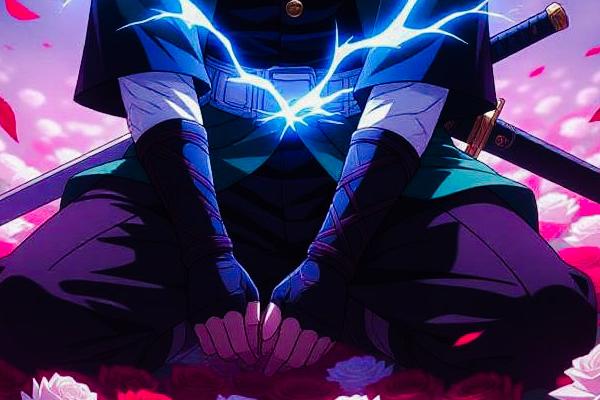
Once you step into the wider fandom, the Hashira debates get wild fast. People don’t just ask who’s the weakest — suddenly it’s about who’s the second weakest, the “fourth weakest,” even “who’s the weakest male Hashira.” Whole forums spiral into tier lists that feel less like statistics and more like personal philosophy.
Shinobu usually takes center stage in this argument. Critics point out the obvious: she can’t cut off demon heads, she never awakened a Demon Slayer Mark, and she doesn’t have raw ties to Sun Breathing like some of the heavy-hitters. On paper, she looks outclassed. That’s why a lot of fans insist she’s the weakest Hashira by default.
But the pushback is strong. Shinobu’s speed feats, her adaptability in combat, and the fact that she literally weaponized her own body against Doma — those are not things you can just dismiss. Without her poison strategy, Doma probably never would’ve gone down.
That’s why supporters argue she isn’t just “the weakest Hashira after Shinobu,” as if you could plug someone else into her role. She fought in her own lane, and no one else could’ve filled it.
Other Hashira get dragged into the rankings too. Tengen Uzui is a common target — people love to ask if he’s the weakest since he retires after the Entertainment District arc. But honestly, his explosives, his speed, and his sense for the battlefield keep him far above average.
Rengoku, meanwhile, lands in the “middle tier” for a lot of lists. Some folks point out how Akaza overwhelmed him, but others highlight his sheer endurance and that unbreakable spirit.
Depending on how you weigh those things, he ends up anywhere from middle to “5th weakest.” Mitsuri’s another interesting case: her physical strength is insane, but her stamina doesn’t always match her power.
And then you’ve got the weird factor of personality shaping perception. Fans constantly ask “which Hashira hates Tanjiro?” The answer’s Sanemi. That hostility makes him look scarier — and for some, scarier means stronger, even though attitude isn’t the same as ability.
At the end of the day, there’s no “official” Hashira strongest-to-weakest list. If you’re measuring pure muscle, sure, Shinobu’s probably at the bottom. But if you’re measuring effectiveness, creativity, or just the ability to win on your own terms?
She climbs way higher. That’s why these rankings never settle. They’re less about math and more about what kind of strength you value.
Part 5: After Demon Slayer – What to Watch Next

By the time I’d caught up with Demon Slayer and all the endless Hashira debates, I realized I wasn’t ready to let the conversation go. I wanted more stories that wrestle with the same ideas — warriors defined not just by strength, but by how they handle impossible odds. Thankfully, a few other shows scratch that itch.
Take Attack on Titan. On the surface, it’s about giant monsters and brutal fights, but underneath, it’s asking the same questions about sacrifice and what kind of strength actually matters. Armin isn’t the toughest fighter in his squad, not even close, but his intelligence shifts the course of battles again and again.
It reminds me of how Shinobu carves out her own way of fighting despite her limits.
Then there’s Tokyo Revengers. It’s not about demons or swords, but the idea of strength runs through every arc. Takemichi can’t win fights with his fists — he survives through sheer grit, stubbornness, and strategy.
Watching him stumble, fall, and still keep moving forward gave me the same feeling as defending Shinobu: strength isn’t always loud, and it isn’t always physical.
And if you want something that blends supernatural powers with tactical combat, Jujutsu Kaisen hits that balance. Nanami’s calm, steady strategies, or Nobara’s sharp, fearless way of diving in both show the same thing: being strong isn’t just about raw power. Sometimes it’s brains, sometimes it’s guts. Either way, it’s proof that strength really does come in different forms.
For me, shows like these kept the question alive: what really makes someone strong? And if you’ve ever caught yourself stepping in to defend Shinobu from the “weakest Hashira” tag, you’ll probably find yourself rooting for characters like Armin, Takemichi, or Nobara too.
Up next is Pregnant by the Golden Billionaire Bachelor.