
When I hit the Infinity Castle arc, Akaza’s death honestly rattled me more than almost anything else in Demon Slayer. I didn’t expect it. Most of the Upper Moons go down screaming, dragged into the dirt by the slayers. But Akaza? He chose to end it himself. That detail has stuck with me. Why would a fighter that brutal, that relentless, suddenly turn his blade inward?
I keep coming back to this question. It’s not just the spectacle of the fight (though that was wild), it’s the strange humanity behind the choice. Akaza wasn’t forced to the ground like Daki and Gyutaro, and he didn’t cling to life with delusion the way Doma did. His death felt like a crack in the pattern.
For me, that’s why it hurts. I think his death is tragic because it wasn’t just about losing; it was about remembering. It reminded me of times when people I’ve known (tough, stubborn people) finally admitted they were exhausted and let go of a fight they’d been carrying for years. It’s not weakness, but something else entirely. Maybe a kind of clarity.
Also Watch As: Black Myth: My Master is Wukong
- Part 1: The Plot of Demon Slayer, Akaza’s Role and His Final Battle
- Part 2: The Mystery of Akaza’s Suicide in Infinity Castle; Why Did Akaza Kill Himself in Demon Slayer Infinity Castle?
- Part 3: My Thoughts and Why Akaza’s Death Still Haunts Me; Why Did Akaza Kill Himself in Demon Slayer Infinity Castle?
- Part 4: How Akaza Actually Died and Why His End Was Different; Why Did Akaza Kill Himself in Demon Slayer Infinity Castle?
- Part 5: After Demon Slayer – Similar Stories to Watch on Reelshort
Part 1: The Plot of Demon Slayer, Akaza’s Role and His Final Battle

Akaza’s presence in Demon Slayer sticks with me in a way few other villains do. His first big moment comes in the Mugen Train arc, when he kills Rengoku in what I’d argue is still the most iconic fight in the series. That battle stamped him into the memory of fans everywhere. Ruthless, yes, but not mindless.
Unlike the other Upper Moons who often felt twisted or grotesque, Akaza had this strange code. He despised weakness but bowed to strength, almost like a warped samurai.
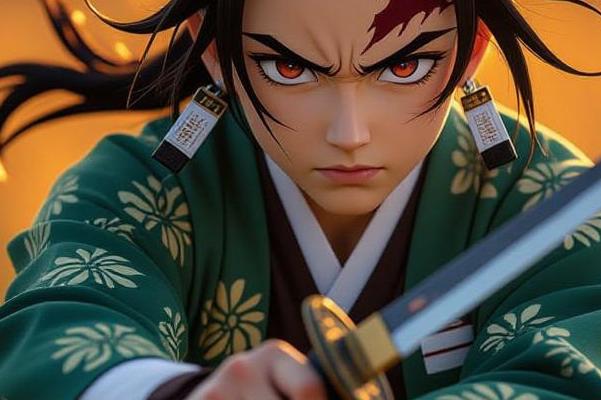
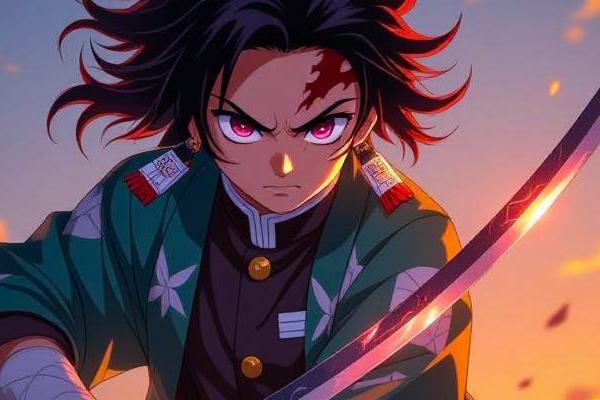
By the time we hit the Infinity Castle arc, Akaza is still one of Muzan’s deadliest soldiers. When the chaos breaks out, he runs into Tanjiro and Giyu, and the clash is everything you’d expect; brutal, relentless, and way more even than their last encounter. Tanjiro isn’t the same boy Akaza fought on the train. With Giyu’s calm precision backing him up, he actually keeps pace with Upper Rank Three.
But the real weight of the fight isn’t in the sword swings. It’s in Akaza’s head. Somewhere in the middle of the battle, the memories he’s been running from come flooding back.
Hakuji, the boy he used to be. His sick father, who couldn’t stand the shame of stealing to pay for medicine. The dojo where he trained. And Koyuki, the girl who gave his life purpose. Those fragments come at him like punches harder than Tanjiro’s blade.

And then there’s that turning point; the moment his human pain collides with the monster he’s become. We see the night Koyuki and her father were poisoned, the rage that drove him to kill with his bare hands, and Muzan’s offer that chained him to demonhood.
For centuries he fought, telling himself strength was all that mattered. But when Koyuki’s memory resurfaces, it’s like the ground falls out from under him. She never would’ve wanted this life of blood.
That’s why his ending still floors me. He doesn’t fall because Tanjiro or Giyu overpower him. He falls because he finally listens to the voice he’s ignored for so long. Instead of clinging to regeneration, he lets it unravel. He chooses to stop.
And honestly, I think that choice makes his death one of the most human in Demon Slayer. It’s tragic, sure, but it’s also poetic. Akaza’s greatest fight was mainly against himself. And in the end, he remembered.
There’s another great series I’ve been frustrated with recently.
Part 2: The Mystery of Akaza’s Suicide in Infinity Castle; Why Did Akaza Kill Himself in Demon Slayer Infinity Castle?
So why did Akaza kill himself, when every other Upper Moon clawed and raged until their bodies finally gave out? I don’t think the answer is as simple as “he remembered his past.”
First, there’s his warped sense of honor. Akaza wasn’t like Daki or Gyutaro, killing for survival or cruelty. He hated weakness, but he respected those who stood their ground. That’s why he bowed to Rengoku in death and why he fought Tanjiro and Giyu with something closer to admiration than hatred.
When he realized he no longer felt the thrill of fighting, only the weight of everything he’d lost, that code crumbled. If combat was his purpose, and combat no longer gave him meaning, what was left?
Then there’s the flood of memories. Watching those scenes hit me hard. I remember thinking: no wonder he stopped resisting. Once Koyuki’s face broke through, every kill as a demon became unbearable. He was betraying her. That realization didn’t just weaken him. It destroyed the core of why he fought in the first place.
And finally, death itself. Most demons feared it like the plague. Muzan dangled immortality as a gift, but Akaza saw its curse. In dying, he wasn’t just giving up. He was choosing freedom.
The way the story shows him reunited with Koyuki and his master in the afterlife felt different from every other Upper Moon’s end. It wasn’t punishment. It was release.
The more I think about it, the “mystery” of Akaza’s suicide isn’t really a mystery at all. He was the only one who still had something human left to hold onto. That little thread of honor and love never snapped, no matter how much Muzan twisted him. He finally saw the truth.
Once he did, fighting to survive didn’t make sense anymore.
Part 3: My Thoughts and Why Akaza’s Death Still Haunts Me; Why Did Akaza Kill Himself in Demon Slayer Infinity Castle?
I think Akaza’s death is one of the most tragic moments in Demon Slayer, but also one of the most strangely beautiful. It hit me harder than Doma’s empty cruelty or Kokushibo’s endless obsession. Those two died the way they lived, twisted to the very end. Akaza didn’t. His last act felt like redemption.
What gets me is how much it changes the way we see him. Back on the Mugen Train, when he killed Rengoku, I was furious. He looked smug, unstoppable, like he enjoyed crushing everything good. But by the time the Infinity Castle arc came, that mask cracked. And once you see what’s underneath, you can’t go back.
That’s something Demon Slayer does better than most shonen I’ve watched. It doesn’t let you dismiss demons as just “evil.” They’re broken people. Lives twisted out of shape. Victims of Muzan, yes, but also of their own grief and rage.
Akaza’s backstory is brutal. His father’s suicide. Poverty so deep he had to fight to survive. Finding love with Koyuki, only to lose her and his master in one night. When Muzan offered him a way out, it wasn’t really a choice. It was a vulture swooping down on someone already in pieces.
And yet, Akaza never lost every bit of his humanity. It was buried deep, but it stayed. Waiting.
So when he stopped healing, when he chose to let himself unravel, it wasn’t weakness. It was defiance. His way of saying, You don’t own me anymore. That’s what makes it hit so hard. Most demons go out thrashing, begging, or consumed by hate. Akaza went out quiet. Almost with dignity.
That silence doesn’t fade. It presses on you long after the scene ends.

Akaza’s death doesn’t just close his story, it throws a question back at us. How much of ourselves do we lose when we won’t face pain? How much of our humanity gets buried under the fights we pick just to avoid sitting still?
He spent lifetimes killing, battling, chasing strength. All of it just to stay numb. But peace came only when he let go. Only when he stopped running. And I can’t help thinking about that.
How often do we distract ourselves instead of sitting with grief? Not to wallow, not to fall into despair, but to finally acknowledge it and let some of it go. The baggage isn’t always real. But carrying it still breaks us.
The next show awaits.
Part 4: How Akaza Actually Died and Why His End Was Different; Why Did Akaza Kill Himself in Demon Slayer Infinity Castle?
Plenty of fans still scratch their heads over how Akaza really died. Demons in Demon Slayer don’t usually bow out in silence. Rui hacked his own neck apart with threads just to cheat Tanjiro for a second longer. Kokushibo, even more desperate, kept dragging his ruined body forward until his will finally gave out.
Akaza’s end doesn’t look like theirs, and that’s why it sticks with me. He wasn’t forced into a corner by a blade or by Muzan’s curse. He chose to stop. His body could’ve held up, and put itself back together like it is supposed to, but he shut that door himself.
So when people ask what actually happened with Akaza, I think the answer is simpler and sadder. He let go. Not because he lost the fight, but because he refused to keep living as Muzan’s weapon.
He didn’t pull a Rui and slice his own head off. And he didn’t fight until his body simply gave out like Kokushibo. What made Akaza’s end so different in the Infinity Castle arc was his choice to stop regenerating. Even after Tanjiro and Giyu landed brutal blows, his body could’ve healed.
But instead of clinging to survival, he let it unravel. That conscious refusal to regenerate, in a series where demons survive almost anything, is how he “killed himself.”

It wasn’t just the mechanics that made Akaza’s death different. It was his code of honor, the memories that finally slipped through the cracks. Koyuki, his father, his life as Hakuji, those flashes did everything. If he kept fighting, he’d be spitting on all of them, and on himself too.
For Akaza, dying wasn’t weakness. It was the only way left to wrest control back from Muzan and decide how his story ended.
Season 4 shows this choice in motion for the first time on-screen. You actually see the weight of that decision instead of just reading it. Some people call it redemption. Others see surrender. Maybe it was just exhaustion. I lean toward redemption, but the fact that it sparks debate at all says something about how raw it feels.
To me, it’s none of those in isolation. Akaza’s death stands apart because it wasn’t about being overpowered but about doing what no other Upper Moon could bring themselves to do; not Rui, not Doma, not even Kokushibo. That is, let go.
Part 5: After Demon Slayer – Similar Stories to Watch on Reelshort

After finishing the Infinity Castle arc, I couldn’t stop thinking about Akaza. His death stuck with me in a way most anime characters and villains don’t. Not just because of the fight itself. I started looking for other shows that treat “villains” the same way: as people whose deaths force you to reflect.
Reelshort actually has a few shows that hit that same bittersweet mix of action and tragedy.
If you want more anime first before diving into real drama, you can take Naruto on. The Zabuza and Haku arc was the first time I ever felt real heartbreak for an enemy in anime. Zabuza came in as this cold-blooded mercenary, but in his last moments, all that stripped away. What mattered was Haku.
Attack on Titan does it good too, though in a different way. Reiner’s arc always reminded me of Akaza because he never stopped being human, even when he wanted to. He carried this impossible weight of guilt, loyalty, and survival, and it just tore him apart.
That internal battle hits the same nerve as Akaza realizing his life as a demon was a betrayal to the people he once loved.
Bleach gave me another version of it with Ulquiorra. His death scene with Orihime isn’t flashy. It’s quiet, almost empty. He spends his whole existence not understanding what it means to feel, and then, right before the end, it clicks.
What ties all these arcs together for me is the same thing that made Infinity Castle unforgettable. Akaza’s choice wasn’t about losing. Maybe that’s why certain kinds of villains remind us that even the darkest characters can carry humanity inside them.
Sometimes the bravest act is knowing when to let go. Just don’t let go of life.