
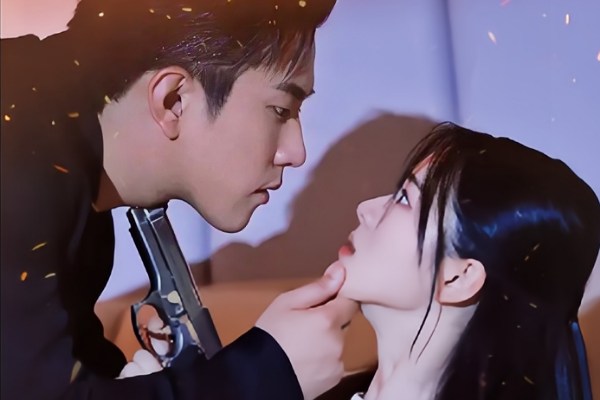
I started Love After Lies Chinese Drama expecting typical romantic conflict. Instead, I found something genuinely disturbing about how love curdles when built on forced foundation. This show made me uncomfortable in ways I didn’t anticipate, and I couldn’t stop watching.
- Part 1: Meet the Main Characters of Love After Lies Chinese Drama
- Part 2: The Story of Love After Lies Chinese Drama
- Part 3: The Performances That Haunted Me in Love After Lies Chinese Drama
- Part 4: Where Love After Lies Chinese Drama Left Me (And What I’m Still Processing)
Part 1: Meet the Main Characters of Love After Lies Chinese Drama
Sadie Wilson
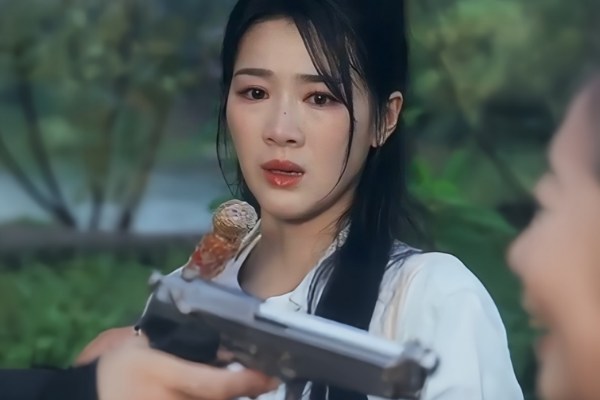
Sadie Wilson enters Love After Lies in a position that already feels wrong. She isn’t chosen as a partner. She’s placed there, almost like a solution to someone else’s problem. John marries her to dodge a curse that would kill his future wife and child. That setup creates a power imbalance the show doesn’t try to sugarcoat, which I respect.
What makes Sadie hard to watch is that her devotion feels real even though it’s built on something forced. She didn’t choose the situation, yet she still invests in it.
She isn’t naive exactly. I think she knows, at least on some level, that John’s kindness isn’t fully honest. His tenderness comes wrapped in lies, and she feels that edge. The show keeps putting her in situations where she gets hurt, sometimes directly by John, sometimes by the people around him. It stacks up. And still, she stays.
So when she finally walks away, it doesn’t feel like a dramatic victory. There’s no big speech, no revenge arc. She just leaves. Quietly. Because the cost finally outweighs whatever she was holding onto.
And of course, that’s when John starts to wake up. The show uses her absence as the trigger for his realization. Only when love is about to disappear does he confront the truth he’s been avoiding. That timing feels frustrating, maybe intentionally so.
The real question then becomes whether anything can be rebuilt after that kind of damage.
John Shaw
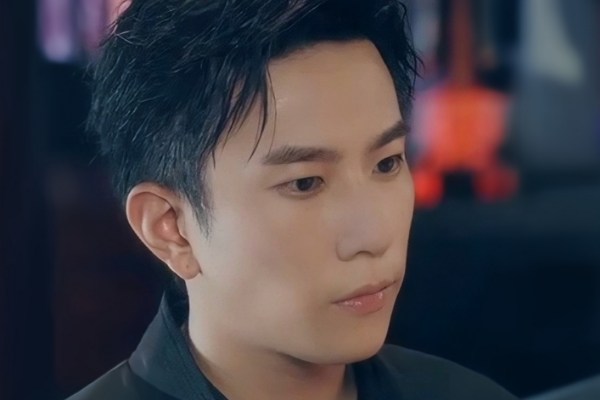
John Shaw is messy in a way most dramas usually avoid. His motivation sounds almost noble on paper. He wants to protect a future wife and child from a curse. That’s the pitch. But the method? Forced marriage. That choice undercuts everything.
I can see what the show is trying to do. By marrying another woman, he thinks he’s shielding Ms. Long, the person he actually wants. If they reunite later, she stays safe. That logic exists, but it feels cold. Instrumental. He treats people like pieces on a board. I don’t think the show wants us to fully sympathize with that, and honestly it shouldn’t.
What works is that the contradiction never gets cleaned up. His later protectiveness doesn’t cancel the coercion.
Sadie’s departure sharpens everything. Before that, John still has access. After she leaves, he realizes access isn’t the same as connection. That gap matters. You can technically “have” someone and still not have a relationship. If trust is gone, what’s left?
The show keeps circling that question without answering it cleanly. I like that. If you break trust badly enough, can recognition fix it? I’m not sure. Real life suggests it usually can’t, at least not quickly. You don’t repair something like that with words alone.
John wants redemption. Or something that looks like redemption. But wanting it doesn’t mean he earns it.
So you end up in an uncomfortable place. You want him to grow, maybe even to change. But you’re not convinced he will. And I think that uncertainty is the point. Some damage doesn’t resolve neatly.
Part 2: The Story of Love After Lies Chinese Drama
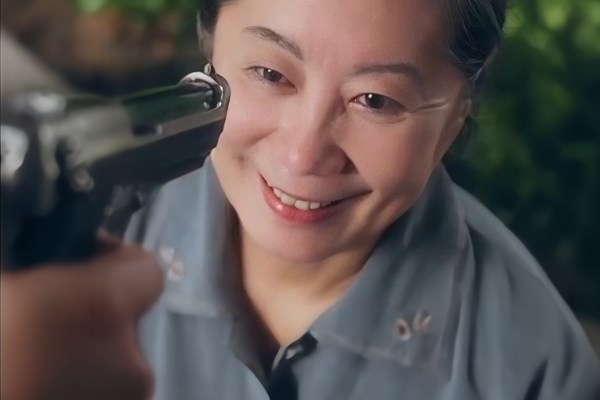
What drives Love After Lies for me isn’t romance. It’s damage. The story keeps a quiet ledger of every lie, every misunderstanding, every moment Sadie gets hurt. Nothing resets. Nothing gets waved away. That accumulation matters. You start to feel the weight of it, episode by episode, like interest compounding on a bad debt.
The marriage doesn’t ignite because of passion. It ignites because intimacy never really exists. That’s the twist. They’re close on paper, tied legally, emotionally entangled, but they never actually meet each other honestly.
The forced marriage makes that question unavoidable. John doesn’t persuade Sadie. He corners her. Her consent exists, but it’s thin, pressured, almost procedural. The show never fully lets you forget that, which I respect. It would be easy to romanticize the setup. Instead, it keeps reminding you this relationship started wrong.
Then the misunderstandings pile up. Not in a messy way, but in a pattern. Hurt repeats. Sadie suffers, John misreads, his circle reinforces the damage. It starts to feel ritualistic. I found myself waiting for the break, the moment someone refuses the pattern. When Sadie finally walks away, it doesn’t feel dramatic. It feels like something overdue.
After she leaves, the story shifts. John finally sees things more clearly, or at least begins to. But here’s the uncomfortable part. That realization happens without Sadie there to receive it. So the question becomes: does understanding still matter if it comes too late? Can someone change in isolation and expect it to fix what they broke?
Part 3: The Performances That Haunted Me in Love After Lies Chinese Drama
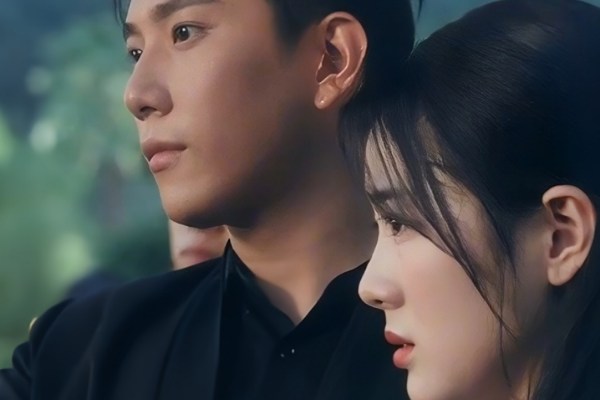
I can’t stop thinking about what the performers pulled off in Love After Lies. The show kept me up longer than I want to admit, not because of plot twists, but because of how precise the acting feels.
Sadie’s actress does something genuinely painful to watch. Her devotion isn’t so exaggerated. When she gets hurt, it doesn’t slide into self-pity or martyrdom. That balance is hard to hit. I kept noticing small physical choices.
Her final walk away might be the cleanest piece of acting in the whole series. No big speech. No dramatic collapse. She just recognizes that staying costs too much. That’s it. I argue that restraint makes it stronger. It reads as strength, but not in a triumphant way. There’s still exhaustion in it. Maybe that’s the point. It can be both.
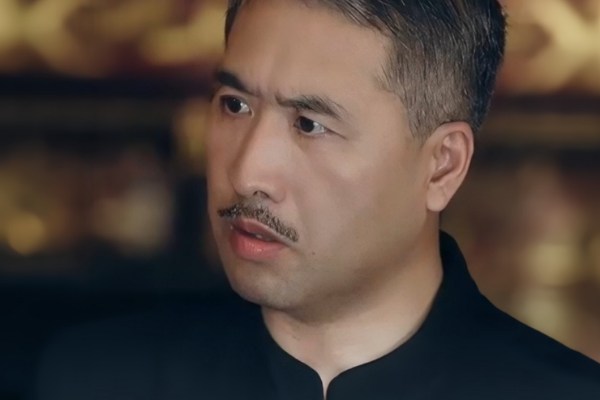
John’s actor has a tougher job than it looks. He has to make coercion understandable without making it acceptable. That’s a narrow line. I think he mostly pulls it off. Early on, his protectiveness feels sincere. You almost believe him. Then it shifts, slowly, into something tighter and more controlling. The progression doesn’t feel forced. When realization finally hits him, it carries weight, but it doesn’t redeem him. It just exposes him.
What impressed me is how he holds attention even after Sadie leaves. Those scenes could’ve collapsed. Instead, you watch him process alone. No one to react to, no one to manipulate. Just him and the consequences. It’s quieter, but still engaging.
Together, their chemistry feels off in a deliberate way. Not romantic, not comfortable. Reactive. Every misunderstanding lands. Every small hurt shows up on their faces. You don’t have to be told the relationship is damaging. You can see it happening in real time.
Part 4: Where Love After Lies Chinese Drama Left Me (And What I’m Still Processing)
The title Love After Lies sounds simple, almost like a promise. But it isn’t. It’s a question that keeps poking at you. Can love actually survive once trust cracks? The show doesn’t give a clean answer. It leans toward “maybe,” but it never guarantees anything, and I respect that.
What stayed with me most is how the curse works. Usually in dramas like this, a curse is just a plot device. You lift it, everyone breathes again, roll credits. Here it feels messier. The curse isn’t just supernatural. It’s tied up in obligation, debt, social pressure.
John’s connection to Ms. Long doesn’t feel like magic alone. It feels like something heavier, almost systemic. If you owe someone your life, your choices stop being fully yours. That idea hit harder than any spell.
I found myself pausing a lot while watching. Not because it was slow, but because it felt dense. Some scenes needed space to settle. I’d watch an episode, then just sit there for a bit, thinking through what just happened. That pacing actually worked.
The relationship itself doesn’t get an easy path either. Forced marriage, lies layered on top of more lies, then this question of whether anything real can grow out of that. I kept wondering, if something begins in deception, does it stay contaminated? Or can people rebuild from there?
The show seems to argue that redemption is possible, but only if both people actually face what they’ve done. No shortcuts.
If someone plans to watch it on ReelShort, I’d say take your time. Don’t rush through it. Let it breathe a little. The show rewards that kind of attention.