
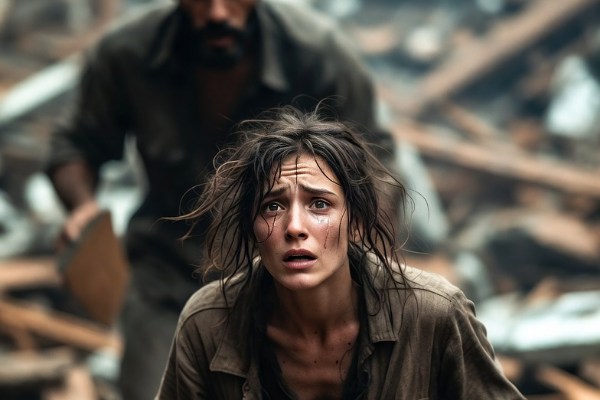
Think your breakup was cinematic? Cindy and Jackson’s split aged eight years, gained a secret child, and literally combusted in a hospital blaze. Streaming uncut, From Altar to Ashes Season 1 straps heartbreak to a firehose, then sprays gasoline.
Grab a thermal blanket, because sparks fly, beams collapse, and the only oxygen left is the kind you share with the one who once ghosted you at graduation.
Also Watch As: From Ashes to Us
- Part 1: A Fire Drill Becomes a DNA Reveal Party
- Part 2: Meet the Main Characters, the Arsonists of My Own Heart
- Part 3: Some Thoughts on the Story, Why Flames Make the Best Background Lighting for Closure
- Part 4: Conclusive Thoughts About From Altar to Ashes Season 1
Part 1: A Fire Drill Becomes a DNA Reveal Party

I went into this expecting melodrama comfort food. What I got instead feels messier and more self-aware, which is why it works more often than it should.
Cindy and Jackson start as the kind of college couple everyone quietly bets on. Vending machine coffee, altar promises, that smug sense of inevitability. Then she vanishes the night before graduation, leaves behind a blunt “I cheated” text, and blocks him everywhere. No explanation, no closure.
Jackson responds the way a lot of emotionally wrecked twenty-somethings do. He chooses a job where danger is loud enough to drown out thinking. Firefighting gives him flames to fight instead of questions.
Eight years later, the hospital fire reunion lands hard. Jackson rappels in and pulls out a trapped nurse. It is Cindy. Her badge reads “Noah’s Mom,” which is already doing narrative damage before the kid even appears.
Then Noah shows up in the lobby, freckles cloned from Jackson’s face, proudly sketching a fire truck family portrait.
From there, pressure stacks fast. Media cameras swarm. Jackson’s promotion hangs in the balance. Cindy’s boss, Dr. Royce, leaks gossip with the precision of a man who mistakes jealousy for concern. Jackson’s mother circles like a social shark, already calculating who is exploiting whom.
None of these people cares about the truth. They care about leverage.
The kidnapping subplot sounds excessive on paper, but it forces the real reveal. Noah disappears during the sprinkler chaos, and Cindy finally tells the story she buried. She hid the pregnancy to protect Jackson’s cadet scholarship. She raised Noah on instant noodles, side gigs, and permanent vigilance.

I buy this motivation, even if it hurts. I have seen people make brutal sacrifices not because they lack love, but because they think love disqualifies them from asking for help.
The ransom note detail pushes it into near absurdity. Same lipstick shade as their almost wedding. That feels on the nose, yet it fits the show’s logic. The past refuses to stay symbolic. It keeps turning into evidence.
At some point, I genuinely could not tell whether water or tears put out the last blaze. This is not a story about romance winning cleanly. It is about truth arriving with collateral damage.
If the show has a moral, it is an uncomfortable one. Love does not survive on intention alone. Sometimes it needs 500 gallons per minute, legal paperwork, and a court mandated paternity test just to clear the smoke. The show lets love limp back into the room, singed, and still breathing.
Feels like the quiet truth underneath it all. Not that love always survives, but that it always leaves behind usable heat.
Part 2: Meet the Main Characters, the Arsonists of My Own Heart
Cindy, Trauma Nurse, Part-Time Martyr

Can start an IV in a moving ambulance but can’t text “I’m pregnant” without panic-deleting. Her moral code: protect everyone, bill yourself. Raised by a mother who framed eviction notices as “adventure maps,” Cindy learned sacrifice early, hence the eight-year silent treatment.
Carries a cracked cellphone wallpaper of Jackson’s college grin, next to Noah’s kindergarten selfie, digital sandwich of past and penance. When Jackson calls her “Ryder” (old couple code for ride-or-die) mid-rescue, her professionalism flatlines.
Jackson, Fire Captain, Human Firebreak
Calendar-worthy, emotionally flammable. Uses helmet cam footage for therapy because words are harder than backdrafts. Keeps Cindy’s apology text in a fireproof tin, reads it between blaze calls like a nicotine patch for heartache.
Parental instincts ignite upon learning Noah exists; suddenly the guy who runs into infernos fears playground etiquette. Signature move: radio silence whenever superiors mention “transfer”, because promotions feel like betrayal part two.
Secret hobby: origami cranes folded from old love notes, stuffed in station lockers… hundreds of paper wings, zero flights home.
Noah, Age 7, Walking Spoiler Alert
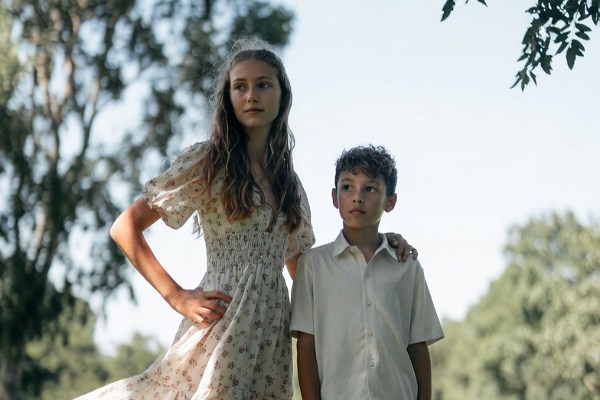
Speaks fluent fire-truck siren, believes moms have superpowers (evidence: she makes noodles out of nothing). Kidnappers underestimate his GPS skills, leaves origami crane trail just like daddy taught him. Asks Jackson if “firefighters fix broken hearts too,” guaranteeing viewer waterworks.
Dr. Royce, Surgical Casanova & Green-Eyed Villain
Wants Cindy’s hand and Jackson’s badge, collects scalps and scalpels. Spreads rumor that Jackson abandoned protocol to save Cindy first. Drives a Tesla wrapped in his own TED talk ad. Gets left on hospital rooftop during climax blaze, phones for helicopter, gets fire ladder instead. Symbolism is delicious.
Part 3: Some Thoughts on the Story, Why Flames Make the Best Background Lighting for Closure

Theme one: miscommunication as accelerant. Every withheld truth (pregnancy, scholarship, medical diagnosis) stacks like dry tinder; one spark of reunion and the whole relationship is fully involved. Theme two: heroism versus humanity.
Jackson saves strangers daily yet couldn’t rescue his own family narrative, proving courage without vulnerability just makes you a well-built arsonist of hearts.
Theme three: single-mother martyrdom dissected. The drama refuses to romanticize Cindy’s sacrifice: it shows pantry shelves empty, rent past-due, Noah asking why daddy’s photo can’t talk back. Expectations flipped: kidnapping isn’t random peril; it’s the echo of Cindy’s original choice to erase fatherhood.
Dailymotion’s bullet screen culture reframes every fire scene into a kind of emotional stock exchange. Comments fly in like trades. Heart burning, comment water, send help. When Jackson appears, viewers spam fire emojis with ironic devotion. They worship him while watching him unlearn performance bravery.
The arc pushes him away from heroic optics and toward something harder. He has to tell the truth without a hose line or a crowd.
I think the absence of cheap plot grenades matters more than it first appears. No terminal illness arrives to launder guilt. No amnesia swoops in to reset consequences. The conflict stays self inflicted, stubbornly human, and that restraint feels almost radical in a genre addicted to vehicular impact as therapy.
The writers force the characters to sit with what they chose and what they assumed. That choice raises the stakes because nobody gets rescued by fate.
By finale you realize water cannons can extinguish timber, but only words can douse eight years of assumption ash. Only words touch that ash. Even then, they work slowly and unevenly. Some embers likely stay warm. That lingering heat suggests honesty guarantees only clarity.
Part 4: Conclusive Thoughts About From Altar to Ashes Season 1

I showed up for the rescue porn: abs and axes, sirens swelling like K-drama OST. I stayed for the demolition: walls of pride razed, beams of guilt charred, foundation of love finally up to earthquake code. The last episode doesn’t fade on a kiss, it lingers on a family spraying a burned building with fire hoses, laughing as soot turns to mud.
Symbolism unsubtle, effective: sometimes you have to wash the past off brick by brick, together, in public, with mismatched gloves.
Jackson’s promotion gets downgraded so he can volunteer at Noah’s school safety demos; Cindy requests transfer to pediatric ward, no overtime, because finally her life deserves gentler vital signs. Madame Li funds a playground on the condition every brick bears her grandson’s origami crane etching: brand rehab never looked so cute.
Dr. Royce? He’s lecturing on rooftop evacuation protocols, humility sold separately.
Your own unresolved breakup text feels like kindling. The drama whispers: altars burn, ashes fertilize, new structures rise: if you’re brave enough to hold the hose and the apology at the same time.
If they catch, keep water nearby acknowledge that love does not become safe just because it reignites. It still needs vigilance. It still needs tools within reach. If they fizzle, scatter the ashes somewhere flowers need to grow refuses bitterness. Failure feeds the next honest life instead of poisoning it.
I agree with the implication, even if it feels a little generous. Love does not die cleanly, but it also does not stay noble by default. It waits, yes, but waiting alone proves nothing.
For me, it is the responsibility baked into that final image.