I didn’t mean to mainline The Hidden Tyrant Chinese Drama. I only opened the app to silence my cousin’s voice note: “You’ll scream when the delivery guy pulls a divine sword.” Two hours later I was barefoot on the balcony at 1 a.m., whispering “just one more vertical episode” while my noodles soaked into a solid brick.
This article is an honest map of how The Hidden Tyrant Drama sneaked past every barrier I call adulthood.
Also Watch As: Dark Lord Daddy: Skyward Myth
- Part 1: Meet the Story and Category of The Hidden Tyrant
- Part 2: A Gateway in The Hidden Tyrant
- Part 3: Story & Themes of The Hidden Tyrant
- Part 4. Conclusions We Can Finally Land On
Part 1: Meet the Story and Category of The Hidden Tyrant
Imagine handing a courier your scribbled signature only to discover you’ve basically autographed a celestial arrest warrant. That’s the charm of The Hidden Tyrant: it never shouts its premise; it slips it under your door like a missed delivery notice.
The show plants one foot in cracked-sidewalk reality and the other on a cloud that hasn’t been swept since the First Emperor ascended. Somehow it balances both without toppling into melodrama, or worse, cheap spectacle.
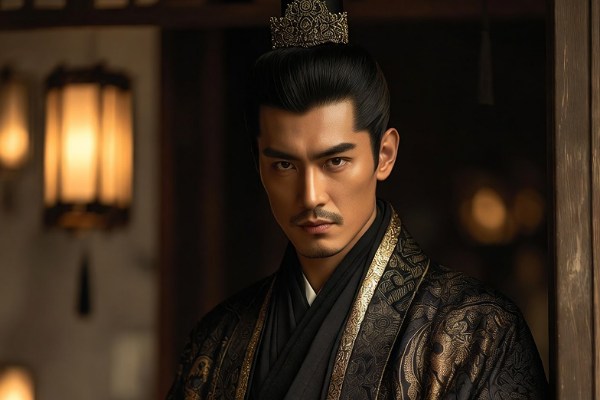
What hooked me wasn’t the punchline that Ethan is heaven’s most wanted. His aura flares when the baby monitor crackles, not when the villains monologue.
His fiercest battle isn’t the rooftop duel, it’s the night he tries to warm a bottle with qi and ends up scorching the countertop. The series gets that the smallest acts take the most stamina.
Watching Ethan stumble, learn, unlearn, kneel, and try again feels like hearing “I should’ve stayed” from someone who never did.
And yes, it lives in that strange no-man’s-land: earnest enough to make cynics check their pulse, ridiculous enough to make elitists roll their eyes before secretly bingeing the whole thing. It’s a narrative buffet where slapstick Qilin antics sit beside meditations on atonement, and somehow the flavors don’t clash.
If you feel torn between laughing at the absurdity and crying at the sincerity, congratulations: you’re watching it correctly. The Hidden Tyrant was built for people who don’t fit neatly into one audience box.
Watching on a phone felt like trespassing into their one-bedroom universe, where overcooked rice and cosmic regret simmer in the same pot.
The tenderness leaks out the moment the frame widens. The vertical world is where Ethan actually breathes; the bootlegs are just ghosts wearing his silhouette.
And yes, I’m already refreshing for the next drop.
Part 2: A Gateway in The Hidden Tyrant
It ambushed me like a mischievous deity in a discount hoodie. One minute I was humming that cursed “dad in brown shorts” jingle while scrubbing a mug, and the next… BAM! My entire screen was Ethan kneeling on a doormat like a penitent demigod, signature pad glowing, a rogue Qilin tail flicking out of his backpack like it was late for roll call.
I snorted, swiped, smirked… and then the view-count pulsed like a beacon. That’s how they get you: numbers breathing like they know your name.
The comments were a binary storm: half sobbing in lowercase, half proclaiming episode 23 as the cure for modern impatience. I should’ve taken the hint and fled. Instead I whispered “one more” to nobody, and the algorithm wrapped its claws around my afternoon.
Each of the hidden tyrant Chinese micro-episodes is barely long enough to blink, but the writers lace every exit with a tiny grenade: Ethan murmuring his trademark “your parcel ran late” like an apology to the cosmos, Sarah clutching the edge of his sleeve, the Qilin sneezing sparks.
I planned a five-episode snack while the kettle warmed; I emerged thirty-five episodes later to discover the kettle had immolated itself in protest. Worth it? Absolutely. Shameful? Also yes.
I caved and bought the premium pass (cheaper than my oat-milk addiction), and told myself this was patronage, not addiction. Art deserves money, even if the art involves a celestial heavy-hitter bubble-wrapped like breakable fruit. That’s my story and I’m sticking to it.
What blindsided me most is how perfectly the hidden tyrant drama weaponizes vertical framing. Tightly cropped eyes trembling like they’re holding back whole weather systems. A toddler’s fist clutching Ethan’s sleeve as though anchoring him to the mortal world. His sighs are drafts brushing your cheek.
Like damn.
Part 3: Story & Themes of The Hidden Tyrant
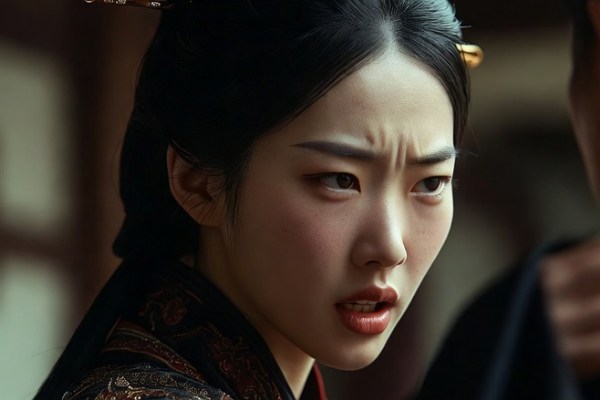
I used to mock delivery costumes, until the hidden tyrant drama made one the emotional centerpiece. Ethan’s shorts are faded at the butt, stitched by Sarah at 3 a.m. while their daughter sleeps on the ironing board. Every time he hoists a box labeled “fragile,” I remember my mom ironing my school badge so the threads wouldn’t shame us.
The hidden tyrant chinese narrative argues that real armor isn’t shiny; it’s washed until the color runs, like love. Episode 14 shows Ethan kneeling to tie a customer’s shoe: an old man who once tried to kill him in a past sect war. The camera lingers on the knot: double bow, gentle, final.
The hidden tyrant full movie experience, once stitched together, becomes a masterclass in humble posture as rebellion.
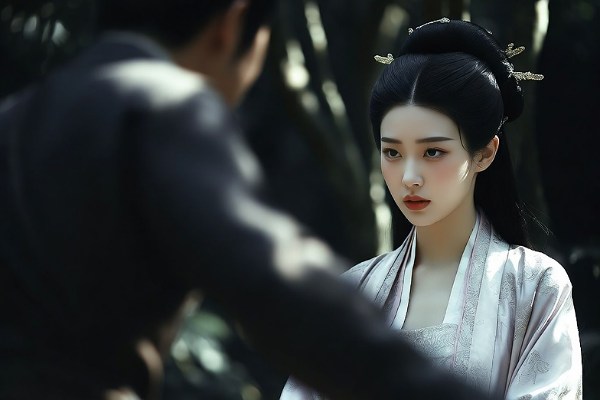
Sarah could nuke a city with her mountain seal, yet she spends most episodes negotiating nap-time. The hidden tyrant drama gifts her an interior monologue voiced through glances: when she slices a radish into paper-thin moons, she’s actually calculating assassin angles.
I’ve never seen a show respect maternal multitasking this hard. Last Tuesday I copied her: stirred soup, edited slides, texted hubby “we’re out of wipes,” all while mentally rehearsing a salary pitch.

The Hidden Tyrant Chinese writing team gets that women’s wars are measured in millimeters: one extra carrot slice, one less minute of sleep. When Sarah finally unleashes sky-rending power, it isn’t rage; it’s receipt day for every unpaid emotional labor coupon. I stood and clapped alone in my kitchen, ladle as scepter.
Here’s the gag nobody memes: the Fire Qilin is a walking utility crisis. He melts the meter, ignites the stove, and still the family keeps him because childcare is expensive. The hidden tyrant drama sneaks in a hot take: pets are adorable disasters we budget for. My cat once killed a TV; I kept her, renamed her “Luxury Tax.”
The Hidden Tyrant Chinese plot admits what fairytales skip: love costs kilowatts. When the beast finally learns to throttle his flames, the electric bill drops, and the family celebrates with ice cream that doesn’t melt on contact. I replayed that scene while paying my own surge-fee, whispering “grow, Qilin, grow.”
The last episodes hinged on a child’s cracked-voice line: “Daddy, don’t break the world, I still need you.” The hidden tyrant chinese drama could have gone full dragon-rumble; instead it hands the mic to a six-year-old whose biggest weapon is need. I searched that quote on TikTok: 1.8 M videos use it over cat rescues, soldier reunions, even stock-loss confessionals.
It’s a sanctuary for the soft-hearted, the sleep-deprived, the overworked, and the secretly sentimental.
Part 4. Conclusions We Can Finally Land On
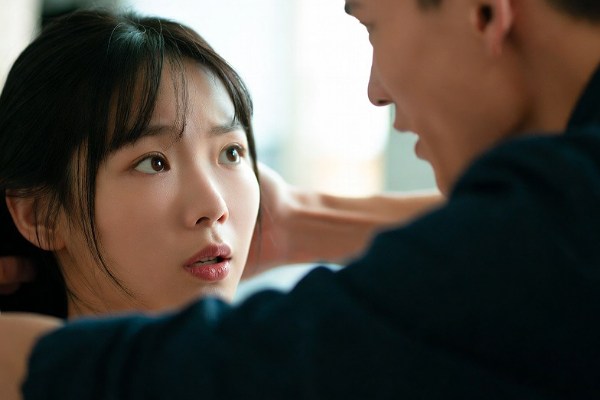
I thought I was doing a casual autopsy on why The Hidden Tyrant Chinese drama kept ambushing my algorithm; instead, I found myself itemizing overdue feelings like a bookkeeper of the heart. Turns out The Hidden Tyrant Drama wasn’t invading my timeline, it was slipping a mirror under the door.
It suggests that holiness isn’t a mountaintop glow-up; it’s whatever grace you can cram between daycare pickups, late fees, and a pot of rice that scorches the second you blink.
I caved and bought the merch: yes, the USB-warm Qilin exists, and yes, it now babysits my wrist during overtime, but the memento that actually rearranged me is the sticky note curling on my monitor: “Send out compassion like you’re behind on the bill.” Apparently enlightenment now comes in Post-it form.
If caped crusaders doing theatrical body rolls exhaust you, let me offer you this alternative: a man who says “my bad” while passing you a bent bento held together by sheer sincerity. That’s the hidden tyrant Chinese secret sauce: no heroics lacquered in CGI arrogance.
The Hidden Tyrant Chinese narrative never demands you cosplay as an overlord; it simply nudges you to acknowledge that uniforms (delivery vests, scrubs, aprons, school hoodies) shield entire epics. That every threshold, from a chipped apartment step to a cluttered hallway, is an invitation to start again without theatrics.
Now if you’ll excuse me, break time’s evaporated. I’ve got packages to lob at porches, a kid waiting with mismatched socks, and a heart that’s still figuring out how to glow without grand gestures. Cape, as always, optional.